
Latest:
Protect Yourself from Scams and Fraud
MARKET PERFORMANCE, COMMODITIES
Why the Strait of Hormuz Matters for Oil Price Movements
July 15, 2026
|
8 Minutes
The Strait of Hormuz is a strategic maritime passage that supports a substantial share of global oil trade. Its importance to energy transportation means regional developments can influence oil price movements and market expectations.
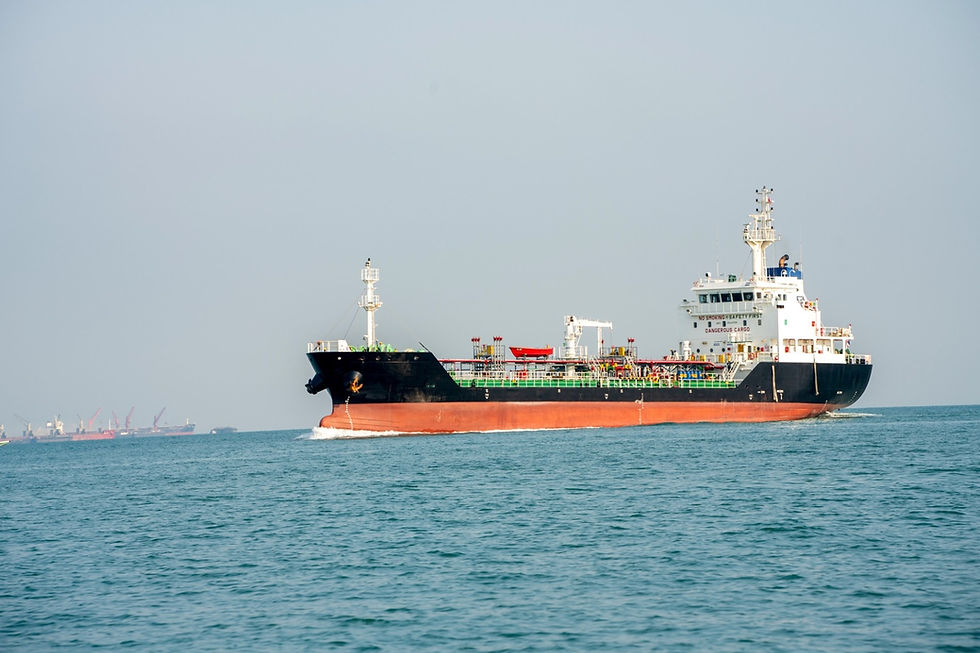
If you trade, hedge, or allocate around energy, the Strait of Hormuz has probably rearranged your week more than once lately. A single headline out of the Gulf can move Brent several dollars before the New York session even opens, and by the time a supply disruption is confirmed, the market has usually already priced it. For commodity desks, institutional allocators, and brokers pricing client exposure, that lag between headline and confirmation is the actual trade.
Global oil price movements are influenced by many factors, from supply and demand to geopolitical developments. Among the world's most strategically important energy chokepoints, the Strait of Hormuz stands out as one of the most critical. Any disruption in this narrow waterway can have significant implications for global oil prices and financial markets.
What is the Strait of Hormuz and Why does it Anchor Oil Price Movements?
The Strait of Hormuz is a narrow maritime passage connecting the Persian Gulf with the Gulf of Oman and the Arabian Sea. At its narrowest point, it measures only around 33 kilometers (21 miles) wide, making it one of the world's most vulnerable shipping routes.
Major oil producing nations, including Saudi Arabia, Iraq, the United Arab Emirates, Kuwait, Qatar, and Iran, rely on this route to transport crude oil and liquefied natural gas (LNG) to international markets.
According to the U.S. Energy Information Administration (EIA), approximately 20% of global petroleum liquids consumption passes through the Strait of Hormuz each day. Given its role in global energy trade, disruptions along this route can increase market volatility and influence oil price movements.
Several major oil-producing nations, including Saudi Arabia, Iraq, the United Arab Emirates, Kuwait, and Iran, depend heavily on the Strait of Hormuz to transport their energy exports to customers around the world
The Strait of Hormuz matters because it serves as a vital gateway for global oil and LNG trade. A significant share of globally traded crude oil and liquefied natural gas (LNG) passes through this narrow waterway every day. When there are threats of conflict, military action, or disruptions in the strait, markets immediately price in the risk of supply disruptions that could affect oil price movements.
Read also: What Investors Should Know About Oil vs Natural Gas
How Strait of Hormuz Risk Actually Moves Oil Prices
Four mechanisms tend to repeat, whether the trigger is a seized tanker, a mined shipping lane, or a presidential statement on transit fees.
Market Prices Probability, Not Just Outcomes
Oil price movements around Hormuz rarely wait for a confirmed loss of supply. A credible threat is often enough. When geopolitical tensions escalate in the region, traders become concerned that oil shipments could be delayed or interrupted. Even if exports continue uninterrupted, the increased risk often pushes oil prices higher as markets anticipate potential supply shortages.
Higher Shipping Costs
Periods of heightened tension typically led to increased shipping insurance premiums. Higher landed costs for crude and LNG feed into prices even when every tanker that wants to sail still can higher freight costs, and additional security measures for vessels operating in the region. These additional expenses can contribute to higher overall oil prices.
Increased Market Uncertainty
Oil price movements in markets are highly sensitive to uncertainty, implied volatility on crude options and realized volatility in the futures curve both tend to jump, and gap risk over weekends and news cycles widens.
Inflation and Economic Impact
Higher oil prices can increase transportation and production costs across industries. As energy costs rise, inflationary pressures may intensify, influencing central bank policies and broader financial markets.
Why This Reaches Well Beyond Energy Desks
Because oil is an input to nearly everything, Hormuz risk shows up across asset classes almost immediately:
Crude and natural gas prices
Inflation expectations and rate-path pricing
Airline, shipping, and logistics equities
Energy company shares and capex plans
Commodity-linked currencies (CAD, NOK) and import-heavy Asian currencies
Sovereign bond yields, as central banks weigh inflation risk against growth risk
What Should Investors Watch?
For investors, monitoring geopolitical developments is just as important as tracking economic indicators. Events that could influence oil prices include:
Rising geopolitical tensions or military activity in the Middle East
Announcements from major oil-producing countries
Production decisions by OPEC+
Changes in global oil demand and inventory levels
Shipping disruptions or increased security risks in key maritime routes
Keeping an eye on these factors can help investors better understand market sentiment and anticipate potential movements across commodities, equities, bonds, and currencies.
Read also: Global Energy Transition Investment Trends in 2026
Key Takeaway
The Strait of Hormuz is not a footnote to oil price movements. It is one of the few places where a single, narrow stretch of water can reprice a global commodity within hours, and right now that is exactly what is happening rather than what might happen. Pipeline capacity, spare production, and diplomacy can all soften the impact, but none of them fully replace the volumes that move through Hormuz on an ordinary day.
Although alternative export routes exist, they are not yet sufficient to replace the strait's critical role in global energy transportation. As geopolitical risks continue to shape market dynamics, understanding the importance of the Strait of Hormuz can help investors better interpret oil price movements and make more informed investment decisions.

Written and edited by the Straits Financial Group Content Team
DISCLAIMER: This document is issued for information purposes only. This document is not intended, and should not under any circumstances to be construed as an offer or solicitation to buy or sell, nor financial advice or recommendation in relation to any capital market product. All the information contained herein is based on publicly available information and has been obtained from sources that Straits Financial believes to be reliable and correct at the time of publishing this document.
Straits Financial will not be liable for any loss or damage of any kind (whether direct, indirect or consequential losses or other economic loss of any kind) suffered due to any omission, error, inaccuracy, incompleteness, or otherwise, any reliance on such information. Past performance or historical record of futures contracts, derivatives contracts, and commodities is not indicative of the future performance. The information in this document is subject to change without notice.
Please also refer to our important notices at https://www.straitsfinancial.com/important-notices-and-disclaimer.
Insights
Explore More Insights
Discover additional market analysis and expert perspectives from Straits Financial Group.

RISK MANAGEMENT, INVESTMENT STRATEGY
Correlation vs Causation in Investing: Market Risk
October 16, 2026
|
7 Minutes
Financial markets often show relationships between asset prices, economic indicators, interest rates, and investor behavior. However, observing two variables move together does not necessarily mean one causes the other. Distinguishing statistical relationships from causal mechanisms is important when evaluating market trends and the assumptions behind investment strategies.

ASSET MANAGEMENT, INVESTMENT STRATEGY, MARKET PERFORMANCE
Behavioral Risk Trading: Trading Discipline Audit
October 15, 2026
|
7 Minutes
Trading discipline depends on maintaining a consistent decision making process despite uncertainty and emotional pressure. When traders react impulsively to market movements or recent outcomes, psychological biases can influence their actions and lead them away from their intended trading rules.

INVESTMENT STRATEGY, ASSET MANAGEMENT, RISK MANAGEMENT
Investment Styles Across Generations: From Gen Z to Boomers
October 9, 2026
|
7 Minutes
Generational investment behavior examines how investors’ financial goals and circumstances relate to their approach to managing money. Retirement needs, wealth accumulation, liquidity requirements, and comfort with investment risk can influence decisions across different age groups.